Don't Buy Until You Read This: Samsung Galaxy S26 Ultra vs Nothing Phone 4A Pro
Introduction
Choosing a new smartphone in 2026 means balancing raw performance, camera capability, battery life, software experience, and—more recently—distinctive design. Two very different approaches stand out for buyers who want powerful hardware without compromises on usability: Samsung's Galaxy S26 Ultra, which follows the long-standing Ultra flagship tradition, and Nothing's Phone 4A Pro, a design-forward device that emphasizes a clean software layer and personality. This article compares the two across real-world use cases to help readers decide which phone best fits their priorities.
How to read this review
The analysis that follows focuses on what buyers typically care about: everyday performance, camera versatility, battery endurance and charging behavior, display quality, software and update promises, durability, and value for money. Instead of focusing on marketing blurbs, the review centers on scenarios that matter: travel, photography, gaming, daily productivity, and long-term ownership.
Detailed product analysis
Samsung Galaxy S26 Ultra — flagship, productivity and imaging focus
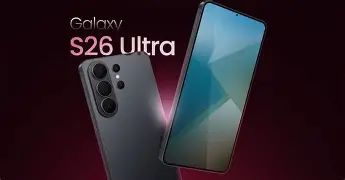
The Galaxy S26 Ultra is positioned as a no-compromise flagship meant for users who demand the best in display technology, camera systems, and long-term software support. Samsung tends to build on its Ultra lineage, delivering a premium glass-and-metal construction, a large high-refresh-rate AMOLED with adaptive refresh, and the most feature-rich camera arrays the company offers. For buyers who treat their phone as a daily camera or a pocket computer—editing photos and videos, running demanding apps, and using advanced connectivity features—the S26 Ultra aims to be the reliable choice.
Real-world performance: in common usage—social apps, multiple browser tabs, navigation, and messaging—the S26 Ultra handles sustained workloads with minimal slowdown. For power users who juggle large files, edit 4K video on-device, or run emulators, the Ultra’s top-tier chipset and thermal tuning keep things responsive under heavy loads.
Camera system: Samsung's Ultra models prioritize flexibility. That usually means a high-resolution main sensor for detail, wide and ultra-wide optics for composition, and dedicated telephoto modules for lossless or high-quality optical zoom. For travel photographers, street shooters, and parents who want dependable results across lighting conditions, the Ultra’s computational photography pipeline and larger sensor hardware tend to produce usable images out of the camera with less fiddling.
Battery and charging: Ultra-class devices typically include large batteries and support both fast wired charging and wireless charging (and sometimes reverse wireless charging). In everyday mixed use—streaming, web browsing, occasional gaming—users can expect all-day battery life; heavier workloads and frequent camera use will reduce the margin, as with any flagship.
Software and ecosystem: Samsung’s One UI has evolved into a feature-rich layer with deep customization, multi-window productivity tools, and tight integration with accessories and cloud services. Crucially for long-term ownership, Samsung has been among manufacturers offering extended Android update windows and security patches, which matters for buyers who keep phones for several years.
Nothing Phone 4A Pro — personality, design clarity and value
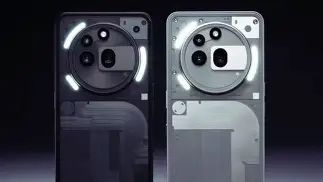
Nothing’s phones consistently emphasize design language and an alternate take on Android that prioritizes clarity and motion. The Phone 4A Pro sits in the premium-midrange space (or "accessible flagship" in industry parlance), offering a balance of strong performance, memorable design cues, and software that aims to be light and less cluttered than many OEM skins. Nothing appeals to buyers who want a phone that stands out visually and provides a thoughtful, daily-use experience without the headline-grabbing hardware top-end of a Galaxy Ultra.
Real-world performance: for typical daily scenarios—social media, video playback, messaging, photography for social posts—the Phone 4A Pro delivers smooth performance. It targets users who value snappy UI interactions and battery efficiency over absolute peak benchmark scores. Gamers can still enjoy extended sessions, but those who chase the highest frame rates in the most demanding titles may notice the difference against a flagship chip.
Camera system: Nothing's camera strategy aims to cover the photographic bases with sensible hardware and a software pipeline that favors color fidelity and ease of use. It may not match the Ultra’s telescopic reach or top-tier low-light performance, but for everyday snapshots, portraiture, and social content, it delivers consistent and shareable images. The software often includes creative modes that appeal to content creators who prefer quick editing and distinctive visual styles.
Shop the latest Mobile Phones picks on Amazon.
See Deals →Battery and charging: the 4A Pro typically balances battery capacity with efficiency-oriented hardware, yielding solid all-day performance for most users. Charging speeds are competitive in the midrange segment; wireless charging—if present—may be slower or optional compared with the Ultra. Where Nothing stands out is in practical optimizations that extend usable runtime through software.
Software and updates: Nothing OS focuses on minimalism and design coherence. While the update promise may not match Samsung’s extended support window in every case, Nothing has made stronger commitments over time. Buyers should verify the current official update policy at purchase if long update windows are a high priority.
Pros & Cons
Samsung Galaxy S26 Ultra — Pros
- Top-tier display: One of the best panels for brightness, color accuracy, and adaptive refresh.
- Camera versatility: Multiple sensors and advanced computational modes for varied shooting situations.
- Performance headroom: Flagship chipset suitable for demanding apps and future-proofing.
- Feature-rich software: Productivity features, deep customization, and broad accessory compatibility.
- Extended software updates: Manufacturer promises long Android and security update windows.
Samsung Galaxy S26 Ultra — Cons
- Premium price: Flagship features come with a corresponding cost.
- Size and weight: Larger dimensions can be unwieldy for one-handed use.
- Complexity: Feature overload for users who prefer simpler experiences.
- Battery drain under heavy camera or gaming use: Intensive tasks reduce daily endurance.
Nothing Phone 4A Pro — Pros
- Distinctive design: Aesthetic that stands apart from conventional glass slabs.
- Clean software: Minimalist UI with thoughtful details and animations.
- Good value: Strong everyday performance for the price, especially for social and creative users.
- Practical battery optimizations: Balanced battery life for typical daily schedules.
Nothing Phone 4A Pro — Cons
- Camera limitations: Less telephoto reach and fewer flagship-grade low-light tricks.
- Update longevity: While improving, may not match the Ultra’s multi-year guarantee.
- Less raw performance: Not targeted at benchmark-chasing power users.
- Fewer ecosystem accessories: Accessory ecosystem is narrower compared with Samsung’s.
Side-by-side comparison
| Category | Samsung Galaxy S26 Ultra | Nothing Phone 4A Pro |
|---|---|---|
| Positioning | Flagship / premium — aimed at users who want the best hardware and features. | Premium-midrange — focuses on design, usability, and value. |
| Display | Industry-leading AMOLED with adaptive refresh and high peak brightness for outdoor use. | High-quality OLED with smooth refresh and attention to UI motion, more compact options. |
| Performance | Flagship SoC for heavy multitasking, gaming, and content creation. | Upper midrange SoC tuned for efficiency and everyday speed. |
| Camera | Multi-sensor array with advanced zoom and strong computational photography. | Capable everyday camera system prioritizing color and convenience. |
| Battery & Charging | Large battery, fast wired and wireless charging options; good for all-day heavy use. | Balanced battery life with efficient charging; excellent for typical daily routines. |
| Software & Updates | Feature-rich software with multi-year update support and ecosystem integration. | Clean, design-forward software with reasonable update commitments. |
| Design & Build | Premium glass/metal construction with attention to durability and ergonomics. | Unique, recognizable design language with lightweight construction. |
| Value | High upfront cost but strong resale value and long-term support. | Competitive price for design-forward buyers who prioritize personality over peak specs. |
Use-case scenarios: which phone for which buyer
For photography enthusiasts
If the buyer's priority is camera flexibility—telephoto reach, low-light performance, and pro-grade controls—the Galaxy S26 Ultra better matches those needs. Its multi-sensor array and computational pipeline are designed for users who do more than post photos: they crop, edit, and print them. The Nothing Phone 4A Pro, while able to capture excellent images for social sharing and everyday use, is more geared toward convenience and consistent results rather than pushing photographic boundaries.
For creators and content publishers
Creators who edit video on-device or need sustained high performance for rendering and multitasking will find the S26 Ultra’s hardware advantageous. It also integrates with productivity features—cloud, desktop pairing, and accessory compatibility—that streamline content workflows. The 4A Pro, meanwhile, appeals to creators who value speed of capture, distinctive visuals, and a light software layer that doesn't get in the way; it's ideal for fast social publishing.
For gamers
Casual and mid-core gamers will be satisfied with the 4A Pro’s performance and battery-efficiency balance. Competitive gamers or those who want the highest frame rates, best thermal headroom, and longest sessions will appreciate the S26 Ultra’s flagship hardware and display characteristics.
For travel and everyday portability
Travelers who want an elegant device that stands out in photos and in person may prefer the Phone 4A Pro for its design and efficient battery life. Those who prefer to carry a single device that doubles as a pro camera, navigation hub, and entertainment center will find the S26 Ultra’s feature set better suited to heavy daily use away from chargers.
For long-term ownership
Buyers who plan to keep a phone for three or more years should weigh software updates and long-term support heavily. Samsung’s track record of extended Android version support and security updates makes the Ultra an attractive pick for longevity. Nothing has improved its commitments, but buyers should confirm the exact update promises at purchase if longevity is non-negotiable.
Buying guide — how to choose between them
When deciding between the Galaxy S26 Ultra and the Nothing Phone 4A Pro, the buyer should evaluate a few concrete priorities. The following checklist converts common concerns into actionable criteria.
1. Prioritize features versus personality
If the decision hinges on absolute feature set—best camera versatility, highest sustained performance, and the broadest accessory ecosystem—lean toward the Galaxy S26 Ultra. If the priority is design personality, a lighter software experience, and a phone that looks different from the crowd at a friendlier price, the Nothing Phone 4A Pro is the better match.
Find top-rated Mobile Phones products at great prices.
View Offers →2. Think about camera needs
Consider how often photos will be printed, cropped, or edited. For casual social sharing and quick editing, the 4A Pro is sufficient and enjoyable. For pro-grade photographic control and optical zoom options, the S26 Ultra is the safer choice.
3. Consider software longevity and updates
Ask how long each manufacturer promises Android upgrades and security patches. For buyers who keep devices longer than two years, a longer update window reduces the need to upgrade for security reasons.
4. Evaluate battery habits
Users who frequently run heavy apps (navigation, AR, streaming while gaming) should prioritize the phone with the larger battery and faster charging to maintain uptime. If daily use is moderate and charge opportunities are regular, the more efficient 4A Pro will last comfortably.
5. Size and ergonomics
Try both phones in hand if possible. The S26 Ultra is likely larger and heavier; the 4A Pro may be narrower and easier for one-handed use. Fit in pocket and comfort during long calls or extended one-handed interactions should guide the decision.
6. Accessory and ecosystem needs
Consider accessories already owned: wireless chargers, proprietary docks, or wearable ecosystems. Samsung’s ecosystem tends to be broader, which may benefit users invested in that platform. Nothing’s ecosystem is smaller but focused on tightly integrated design cues.
7. Budget and resale expectations
Flagships often depreciate more slowly due to brand perception and resale demand; midrange devices may offer better immediate value but smaller long-term resale. Factor the total cost of ownership and how frequently the user upgrades.
Final checklist before purchase
- Confirm update promises and warranty terms from the official source at purchase time.
- Test both devices in person to assess comfort, display preference, and camera output for the buyer’s typical scenes.
- Compare real-world battery results for the buyer’s typical day (work + commute, gaming sessions, or travel days).
- Consider whether specialized features such as advanced telephoto, S Pen-style productivity, or unique design motifs outweigh cost differences.
- Assess accessory availability: cases, screen protectors, chargers, and repair options in the buyer’s region.
Conclusion
The Samsung Galaxy S26 Ultra and the Nothing Phone 4A Pro serve two overlapping but distinct buyer profiles. The S26 Ultra is for those who want the most capable hardware available in a smartphone—best-in-class display, broad camera versatility, and maximum performance with extensive software support. The Nothing Phone 4A Pro is for buyers who value design personality, a clean and expressive software experience, and a strong day-to-day balance between performance and battery life at a more approachable price point.
Ultimately, the smartest purchase comes from matching the phone to real habits: if the buyer edits video, uses demanding apps daily, or needs the most camera flexibility, the Ultra is the sensible investment. If the buyer prioritizes individuality, a pleasant daily software experience, and strong value for everyday photography and social sharing, the 4A Pro is an excellent, character-filled choice. Either way, testing both in hand and checking current software-update commitments will ensure the purchase aligns with the buyer’s needs and expectations.