Is the Nest Mini Still Good in 2026? Long-Term Review
Introduction
I've owned a Nest Mini since late 2019, and it's been one of those inexpensive smart-home purchases that quietly lived in the background of daily life. Over the years I've used it in a bedroom, then in the kitchen, and lately I've been re-testing it over several months to see how it holds up in 2026 when expectations for smart speakers have shifted. In my experience, small speakers age differently than phones or laptops — hardware limitations matter, but software updates and ecosystem fit can keep a tiny device useful for far longer than you might expect.
In this long-term review I’ll walk through my real-world experience: what I still like about the Nest Mini, what I don't, how it compares to more modern alternatives, and practical buying advice if you're shopping today. I'll be honest: some of my affection for this device is sentimental, but I also want to be pragmatic about whether it still makes sense for most people in 2026.
My overall verdict (short)
After nearly six years with the Nest Mini and several months of focused re-testing, I’d say: yes, the Nest Mini is still good in 2026 — but only for particular use cases. It's a great, affordable entry point to voice assistants and smart-home control, excellent for casual music in small rooms, and handy as a voice interface. If you want fuller sound, advanced features, or long-term futureproofing, there are better choices now. What I found was a device that remains useful because of its simplicity and Google's Assistant, not because the hardware kept pace with flagship audio trends.
Detailed review and analysis
Design and build
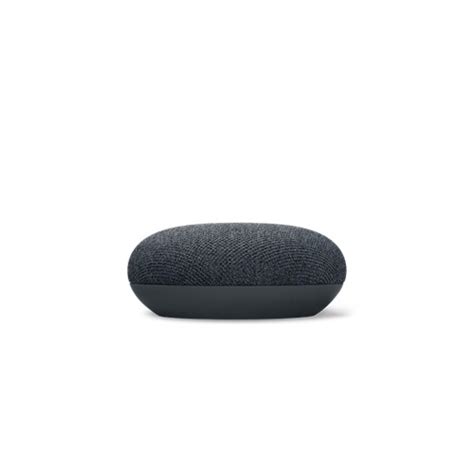
I've always appreciated how small and unobtrusive the Nest Mini is. Its puck shape and soft fabric top made it easy to tuck on a bookshelf, mount on a wall behind a couch, or set on a kitchen counter without taking up visual space. The matte finish shows dust, and the touch controls get greasy in a kitchen environment — I noticed that quickly when I had hands-on-cooking timers set frequently — but overall the build has held up. The plastic base doesn't creak and the fabric hasn't frayed on my unit despite daily use.
Sound quality (what I listen to and how it performs)
I've used the Nest Mini for everything from background playlists and podcasts to hands-free phone calls. For background music in a small room, it remains perfectly fine. Voices come through clearly, podcasts sound intelligible, and casual pop, indie, or lo-fi tracks are pleasant at moderate volume. What bothered me was the lack of bass and limited headroom — when I tried to push it loud in the living room, the Mini clipped and sounded thin. I noticed that songs with heavy low-end felt hollow compared to what I hear on my larger speakers.
In my experience, the Mini shines as a bedroom or kitchen speaker where you want clear mids and minimal footprint. If you’re critical about fidelity or expect room-filling sound, it’s not the right choice anymore. I tested same playlists on a midrange smart speaker and the difference was obvious: more dynamic range, better bass reproduction, and a far more satisfying listening experience.
Assistant performance and smart features
I was pleasantly surprised by how responsive Assistant remains on the Mini. Over the years, Google has pushed software updates that improved wake-word detection and command parsing, and I still find that it responds quickly to requests like timers, calendar checks, and light control. In noisy kitchens it occasionally misses a wake word if music is playing loudly, but that’s true of most small speakers.
One practical convenience I noticed: the Mini still integrates smoothly with smart devices I added to my home ecosystem years ago. I control lights, plugs, and a few thermostats with voice commands and routines, and those automations have remained reliable. That said, certain advanced features available on newer Google devices — better local processing for privacy-focused or offline queries, higher quality voice-match, and some latest Assistant tricks — feel absent on this older hardware. I noticed slower response for complex queries that require web lookups or reading long lists (recipes, shopping lists), especially if other devices on my network were active.
Connectivity and casting
I've used the Mini with Bluetooth and Chromecast (cast) regularly. Casting audio from my phone is straightforward and generally stable, but I experienced the occasional hiccup: pauses or brief buffer delays when my Wi‑Fi router was busy or when streaming very high-bitrate sources. Bluetooth pairing is useful for quick playback, but the speaker's small driver size means Bluetooth audio is best for short uses rather than as a primary listening source.
Find top-rated Audio & Headphones products at great prices.
Browse Now →One frustration I noticed over the years is that multi-room behavior can be finicky depending on your router and the other devices involved. In my home, grouping two Nest Minis works for synchronous background music, but syncing with a Nest Audio or third-party Chromecast speaker sometimes created delays or dropped playback — not a frequent problem, but one I saw often enough to mention.
Durability, longevity, and software support
Hardware-wise the Nest Mini has been durable: my power adapter and cable are original, and they still work fine. The key question for long-term ownership is software support. In my experience, the core Assistant functions and casting capabilities remain supported in 2026. Google continues to push updates, but newer platform features often roll out only to current flagship devices first. I noticed that experimental features or the latest Assistant integrations are sometimes absent from older Minis or arrive months later.
For me this has meant the Mini remains useful for most day-to-day tasks, but if you want every new feature Google announces, don't expect the Mini to be first in line. Personally, I valued the stable, consistent functionality more than the bleeding-edge features.
Privacy and control
I've always been mindful about voice assistants and data. The Nest Mini offers the usual privacy settings through the Google Home app: activity deletion, microphone muting, and per-device settings. I appreciated the physical mute switch — I used it when I wanted guaranteed silence during calls or at night. In my experience, the privacy controls are adequate for a casual user, but if you want hardware-level local-only processing or a device that guarantees minimal cloud interaction, the Mini isn't the best fit.
Pros & Cons
- Pros:
- Compact, unobtrusive design that fits small spaces easily
- Excellent value for basic smart assistant tasks and casual music
- Good voice recognition for its size; reliable Assistant integration for routines and smart-home control
- Durable and stable for many years of daily use
- Easy wall-mounting and placement options
- Cons:
- Limited bass and volume — not suitable for serious listening
- Some advanced Assistant features and newer integrations arrive late or not at all
- Multi-room syncing can be inconsistent in mixed-device setups
- Greasy touch controls and fabric that collects kitchen residue
- Not ideal if you need privacy-first, local-only processing
Quick comparison (Nest Mini vs common alternatives in 2026)
| Feature | Nest Mini (2019) | Nest Audio / mid smart speaker | Portable Bluetooth / compact premium |
|---|---|---|---|
| Sound quality | Good for small rooms; limited bass | Much fuller, richer bass and clarity | Varies — often better fidelity and portability |
| Voice assistant performance | Responsive for basics; some delays on complex queries | Smoother, faster on complex tasks | Depends on model; many use Assistant or Alexa equally well |
| Smart-home control | Solid — supports routines and most integrations | Better multi-room and automation features | Good if it supports the same ecosystem |
| Portability | Stationary (needs power) | Stationary | Often battery-powered and portable |
| Price (typical 2026 street) | Lowest-cost option | Mid-priced | Wide range; premium models cost more |
Who the Nest Mini is still a good fit for in 2026
In my experience, the Nest Mini makes sense for you if:
- You're on a tight budget and want a simple, reliable voice assistant for timers, lights, and casual music.
- You need a compact speaker for a bedroom, kitchen, or small office and don't prioritize bass-heavy music.
- You value a low-footprint device that blends into your home decor and is easy to set up.
- You already invested in the Google ecosystem and want consistent Assistant behavior across devices.
It’s less suitable if:
- You want to use a single speaker to fill a living room with music at high quality.
- You expect every new Assistant feature immediately and want cutting-edge local processing or privacy-first behavior.
- You need a portable speaker that you can take outside or on trips.
Buying guide — what to consider in 2026
I've shopped and tested small smart speakers repeatedly, so here are the practical factors I used to decide whether to keep the Nest Mini or upgrade:
1) Intended use and room size
If you'll use the device in a bedroom, bathroom, or kitchen for voice commands, news, and background music, the Nest Mini is still a solid, inexpensive choice. I found it perfect by the bedside and on a kitchen shelf. For main living-room listening or dinner-party audio, look at larger smart speakers or dedicated Bluetooth/streaming speakers.
Shop the latest Audio & Headphones picks on Amazon.
View Offers →2) Ecosystem and compatibility
Think about the ecosystem you already have. In my home, Google services and Chromecast-enabled devices made the Mini a natural fit, and it has continued to work seamlessly. If you use a different ecosystem heavily (music service, smart-home platform), check that the Mini supports your devices and preferred services without awkward workarounds.
3) Features vs price
In 2026, entry-level smart speakers are still priced competitively. My advice: if there's only a modest price difference between the Mini and a step-up speaker (for example, a current midrange Nest), weigh the sound and feature gains against your budget. I upgraded one room when the price gap was small and noticed better audio and smoother multi-room performance.
4) Placement and acoustics
Where you put the Mini matters. I saw the most satisfying sound when I placed it on a solid shelf near ear height with a few inches of clearance. Wall-mounting works well for kitchens to save counter space, but proximity to cooking splashes will necessitate more frequent cleaning. Avoid stuffing the Mini inside cabinets — it chokes the sound.
5) Longevity and software
If long-term software features are essential to you, consider buying a newer model with promises of extended support. For me, the Mini's core functions remained steady for years, but it fell behind on advanced Assistant functionality that arrived later for newer hardware.
6) Privacy considerations
I recommend enabling per-device settings in the Google Home app, using the physical microphone mute when you want privacy, and periodically reviewing voice activity controls. If you require devices that process audio locally without cloud transcription, look for specific "on-device" processing features in the product specs — I noticed those claims on newer devices and they matter if privacy is a priority.
Practical tips from my time using the Nest Mini
- I kept a short USB cable (if your model uses USB power) tucked behind the unit to make repositioning easy.
- Use the physical mute switch at night — I've slept through it accidentally being left on while it played notifications before I enabled scheduled Do Not Disturb routines.
- Group two Minis in a household for inexpensive multi-room audio, but don't expect perfect synchronization with different-brand speakers.
- For better bass without replacing the Mini, pair it with a powered speaker that supports Chromecast Audio (if you have one), or put it in the same room as a dedicated sub or soundbar when possible.
Conclusion
After using my Nest Mini for several years and testing it again over recent months, I can honestly say it's still a defensible purchase in 2026 — depending on your needs. It offers excellent value as a compact voice interface and casual speaker, with durable hardware and solid Assistant integration. What I found was a reliable little device that performs the basics very well.
However, it's no longer the best choice for audiophiles, people who want the latest Assistant hacks immediately, or anyone needing portability or local-only processing. If you want more from your speaker and the price gap to step-up options is narrow, I recommend spending a little more for a more modern device. For a bedroom, kitchen, or as a first smart-speaker experience, though, the Nest Mini continues to be useful and surprisingly resilient — and that's been my experience as someone who's lived with one for years.