Partybox Club 120 First Look: Unboxing and Impressions
The Partybox Club 120 is positioned as a mid-to-large-format party speaker aimed at people who want club-level volume and features without the size and price of pro PA systems. This first-look article offers an unboxing walkthrough, hands-on impressions, real-world use cases, and a practical buying guide to help readers decide whether the Club 120 fits their needs. The review focuses on build quality, sound character, connectivity, convenience features (microphone/guitar inputs and lighting), and value for typical buyers such as home entertainers, small-event hosts, and mobile DJs.
Unboxing and First Impressions
Out of the box the Partybox Club 120 presents itself as a well-packaged, substantial product. The packaging typically includes the speaker, a power cable, and basic documentation such as a quick start guide and warranty card. Accessories beyond power and paperwork—like dedicated microphone cables, remote controls, or flight cases—are usually optional or sold separately.
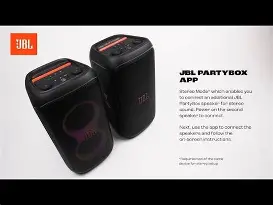
Physically, the Club 120 leans toward a robust, road-ready aesthetic: a rigid cabinet, protective metal grille, and integrated handles. The control surface often provides tactile knobs and buttons for volume, EQ, and effect selection, making on-the-fly changes straightforward without relying on an app. Visual lighting elements—customizable LED arrays—are front-and-center for parties, adding atmosphere with synchronous effects.
Design and Build
Design choices reflect the Club 120's target: a balance between portability and performance. The enclosure is typically heavier and larger than compact Bluetooth speakers but much smaller and more manageable than full-sized club speakers. Integrated handles and a predictable footprint make loading into cars or mounting on speaker stands straightforward for one or two people.
Materials focus on durability. Expect a hard plastic or composite cabinet, reinforced corners, and a metal grille to protect the drivers. The control panel usually includes rubberized knobs and backlit buttons to make night-time adjustments easier. For users who transport the speaker frequently, the presence of corner protectors and recessed handles reduces wear and tear.
Connectivity and Controls
One of the Club 120's strengths is its practical connectivity. Typical inputs include Bluetooth streaming, 3.5mm aux, RCA or line-level inputs, and dedicated XLR/TRS combo jacks for microphones and instruments. Multiple inputs allow simultaneous use of a phone for music and a microphone for announcements or karaoke. A USB port for playback or charging is a common convenience feature on modern party speakers.
Physical controls on the top or rear panel make immediate adjustments easy—gain knobs for mic/instrument channels, master volume, and EQ presets for different music styles (electronic, vocal-forward, etc.). Some models also offer a companion mobile app for deeper configuration, firmware updates, and lighting customization. For buyers who prioritize fast setup at events, the combination of direct controls and optional app integration is appealing.
Sound Quality and Performance
On the first listen the Club 120 aims to deliver punchy low end without drowning out mids and highs. The speaker's voicing tends to emphasize impactful bass suitable for dance music, while preserving vocal clarity so announcements and karaoke remain intelligible at high volumes. The presence of a dedicated mid/high horn or tweeter helps maintain crispness across the listening area.
Volume capability is an important practical metric for buyers. The Club 120 is designed to fill medium-sized rooms or outdoor gatherings with ease, and it should remain clean at typical party levels. When pushed to the extreme, most single-cabinet party speakers will show compression and some distortion; however, for most real-world uses—house parties, backyard barbecues, small venue gigs—the Club 120 provides more than adequate headroom.
Find top-rated Audio & Headphones products at great prices.
See Deals →For small DJ setups, the speaker's transient response and bass extension offer usable low-frequency support. Users who expect club-style SPLs or who play bass-heavy electronic music in large venues may pair the Club 120 with a subwoofer for fuller low-end impact. For most home entertainers and event hosts, the integrated bass response strikes a good compromise between portability and punch.
Mic and Vocal Handling
Microphone inputs typically include preamp gain control and basic EQ. In practice, the mic channel handles spoken word and live vocals well, with enough clarity and presence for emceeing, karaoke, and small live performances. Built-in vocal effects—reverb and echo—are often included for karaoke users and casual vocalists, though serious performers may still prefer external mic processors or mixers for fine-grained control.
Lighting and Atmosphere
The lighting package on the Club 120 is an important part of the experience. LEDs synchronized to the music add a visual layer to parties and can usually be customized in terms of pattern, intensity, and color schemes. The lighting boosts the feeling of “eventiness” in living-room or backyard environments and is particularly useful for hosts who don’t want to set up separate lighting rigs.
Real-World Use Cases
The Club 120 targets several common buyer profiles:
- Home entertainers: People who host regular gatherings and need a speaker with more muscle than consumer Bluetooth models, but without professional PA complexity.
- Small-event hosts: Wedding reception DJs, community event organizers, and workshop leaders who need reliable sound and easy mic connectivity.
- Mobile DJs and performers: Freelancers who require a compact, transportable speaker that can act as a main monitor for small rooms or as a fill speaker in larger setups.
- Karaoke enthusiasts: Buyers who value mic effects, easy song streaming, and lively lighting for at-home sing-alongs.
In each case, buyers typically care about ease of setup, durability during transport, sound balance (especially vocal clarity), and the ability to run the speaker for hours without overheating or dropping performance. The Club 120 addresses most of these priorities through straightforward controls, rugged enclosure, and practical input options.
Comparison: Partybox Club 120 vs. Similar Speakers
| Model | Target Use | Portability | Connectivity Highlights | Typical Strengths |
|---|---|---|---|---|
| Partybox Club 120 | House parties, small events, karaoke | Moderate — built-in handles, single-cabinet | Bluetooth, mic/guitar inputs, USB, aux | Balanced sound, integrated lights, simple controls |
| PartyBox 310 (comparable model) | Medium parties and outdoor use | Moderate — wheels/handle on some versions | Bluetooth, DJ loop, mic inputs, long battery on some units | Higher maximum SPL, extended bass, versatile for DJs |
| Compact Bluetooth Speaker | Small gatherings, portable music | High — lightweight, battery-powered | Bluetooth, aux | Portability, convenience, lower price |
| Small Active PA (e.g., S1-class) | Live acoustic sets, public speaking | Very portable — designed for performers | XLR inputs, line-in, sometimes Bluetooth | Cleaner vocal reproduction, musician-focused features |
The table above provides a qualitative comparison: the Club 120 sits between compact Bluetooth speakers and full PA systems. It offers more features and louder performance than personal Bluetooth speakers, but it is more plug-and-play and less specialized than pro PA speakers.
Pros & Cons
Pros
- Strong, punchy sound tailored for party music while maintaining vocal clarity for announcements and karaoke
- Robust, road-ready build with handles that makes transport practical for small events
- Practical connectivity: simultaneous mic and music inputs plus Bluetooth streaming
- Integrated lighting effects add atmosphere without extra gear
- Direct physical controls enable fast, intuitive adjustments during events
Cons
- Size and weight make it less convenient for long-distance portability compared with compact battery speakers
- At maximum volumes it can show compression—serious DJs or large-venue users may need additional subs or PA reinforcement
- Advanced mixing features are limited compared with standalone mixers or pro PA speakers
- Accessories such as travel covers, mic stands, or carrying cases are often sold separately
Buying Guide: How to Decide If the Club 120 Is Right
Choosing the right speaker requires matching features to use cases. The following checklist helps determine whether the Partybox Club 120 is a sensible purchase.
1. Define Typical Use
If the primary use is house parties, social gatherings, or small community events, the Club 120 is likely a good fit. For full-size clubs or festivals, a true pro PA stack is more appropriate. For musicians who need ultra-clean monitors and DI-style inputs, consider an active PA speaker engineered for live performance.
2. Evaluate Portability Needs
Consider how often the speaker will be moved. If frequent long-distance transport is required, a lighter, battery-powered option might be preferable. If transport involves short hauls in a car or van and a single person can manage the weight, the Club 120 delivers better sound for the size.
Shop the latest Audio & Headphones picks on Amazon.
Shop Amazon →3. Check Connectivity Requirements
Inspect the inputs and outputs. Confirm the presence of dedicated mic inputs (XLR/TRS combo), line inputs for mixers or DJ controllers, and Bluetooth for casual streaming. If the buyer plans to run multiple microphones, a small external mixer might be needed—verify how easily that integrates with the speaker.
4. Consider Lighting and Extras
Buyers who value integrated lighting for parties will appreciate the Club 120's built-in effects. If lighting is not a priority, evaluate whether the speaker’s sound profile alone justifies the purchase compared with non-illuminated competitors.
5. Power and Venue Size
Estimate the venue. For enclosed living rooms and medium outdoor gatherings, the Club 120 generally provides sufficient volume. For larger venues, plan for additional speakers or a subwoofer. Confirm whether the speaker has outputs to daisy-chain additional units or to connect external subs.
6. Service, Warranty, and Support
Check the warranty terms and after-sales support. For frequent renters or mobile DJs, ease of service and availability of replacement parts are important considerations.
7. Budget and Total Cost
Factor in potential extras: stands, cables, protective covers, and backups. A seemingly lower initial price can increase once necessary accessories are added. Compare total cost against competing systems that might offer different value propositions.
Practical Tips for Buyers and First-Time Users
- Use the speaker’s built-in EQ or presets to tame boomy rooms—adjust bass down slightly in small, reflective spaces.
- Position the speaker on stands or slightly elevated surfaces to improve sound dispersion and reduce floor-bound bass buildup.
- Test mic gain before the event; set levels conservatively to avoid feedback when moving the mic closer to the grille or lights.
- If pairing multiple speakers, test the phase and timing at the venue to avoid comb-filtering and dead spots.
- Bring spare cables and a small adapter kit—these are common sources of last-minute setup issues.
Conclusion
The Partybox Club 120 is a compelling option for buyers who want a single-cabinet solution that blends party-ready sound, practical connectivity, and festive lighting. It strikes a balance between portability and output, making it suitable for home entertainers, small-event hosts, and mobile performers who need dependable volume and easy mic support. While it is not a replacement for a full pro PA system in very large venues, its combination of features and straightforward controls make it an attractive choice for the majority of everyday party and event scenarios.
In short, the Club 120 is best for those who prioritize simple setup, integrated lighting, and robust sound at medium-scale events. Buyers should evaluate venue size, transport considerations, and any additional accessory needs before purchasing, but for many users the Club 120 delivers a practical and enjoyable package that elevates gatherings without introducing undue complexity.